Aging galvanized pipe, slab leaks, root clogged sewer lines. The plumbing problems common in older Harbor area homes, and how to catch them before they flood.
If you own an older home in San Pedro or the South Bay, there is a good chance the plumbing inside your walls is nearly as old as the house itself. It works until the day it does not, and when decades old pipe finally gives out, it rarely does so politely. A small drip becomes a flooded kitchen overnight, and a slow drain becomes raw sewage in the shower.
The good news is that aging plumbing almost always warns you first. A South Bay plumber who works on Harbor area homes sees the same handful of problems again and again, and most of them are catchable long before they flood. Here is what to watch for.
Older South Bay homes come with older plumbing
Much of the Harbor area was built out generations ago, and a lot of those homes still run on their original plumbing. From San Pedro up through Harbor City and Lomita, it is common to find houses with supply pipe and sewer lines that are fifty, sixty, even seventy years old.
The trouble is the materials. Homes from that era were plumbed with galvanized steel supply pipe and clay or cast iron sewer lines, all of which have a shelf life. They were good for their time, but they were never meant to last this long, and in a coastal climate with hard water and shifting soil they age even faster. Knowing what is behind your walls is the first step to staying ahead of a flood.
What usually goes wrong
No two houses are identical, but the failures tend to cluster around a few usual suspects. If your home is a few decades old, these are the problems most likely to be waiting for you.
Galvanized pipe, the slow strangler
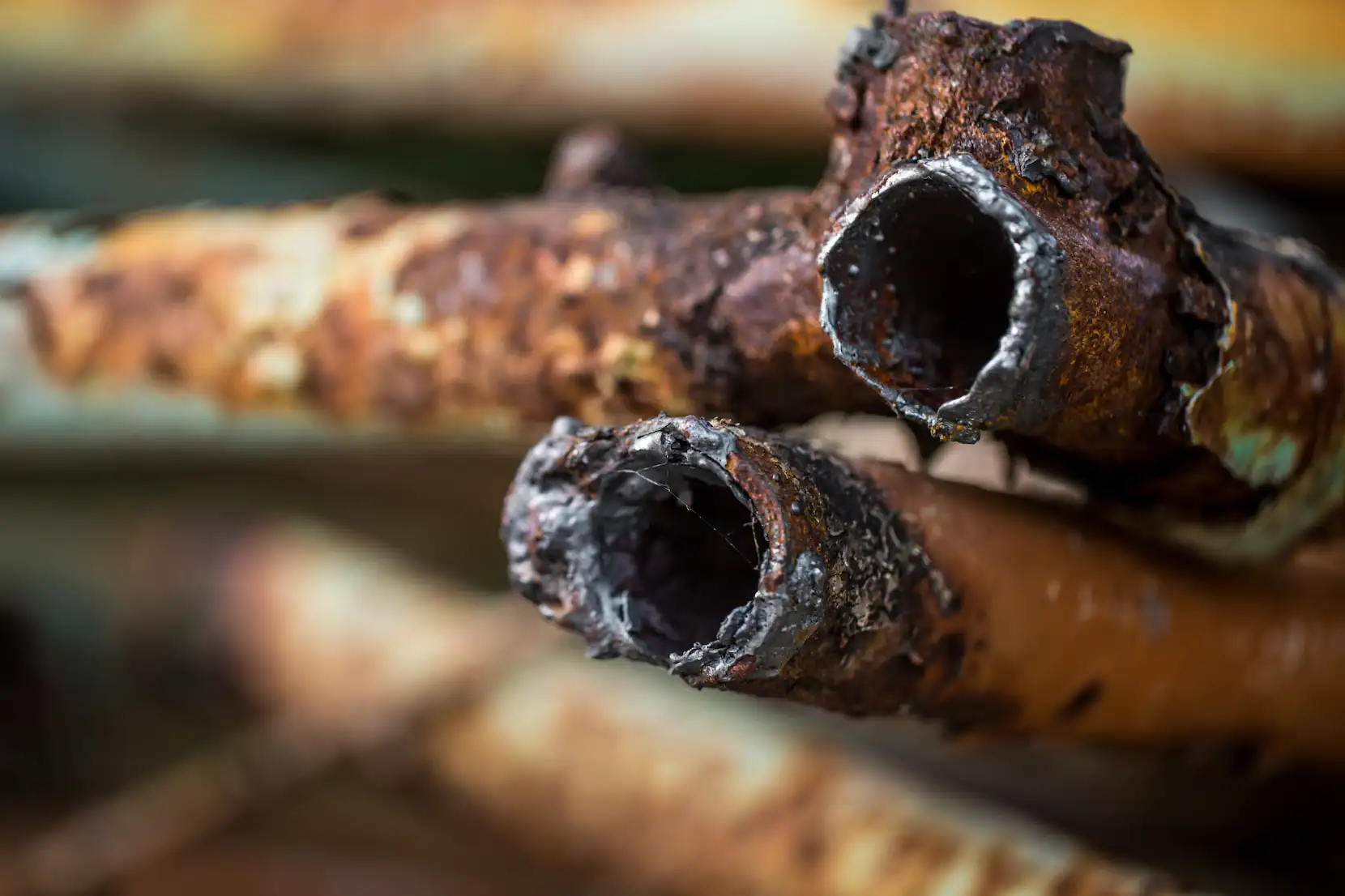
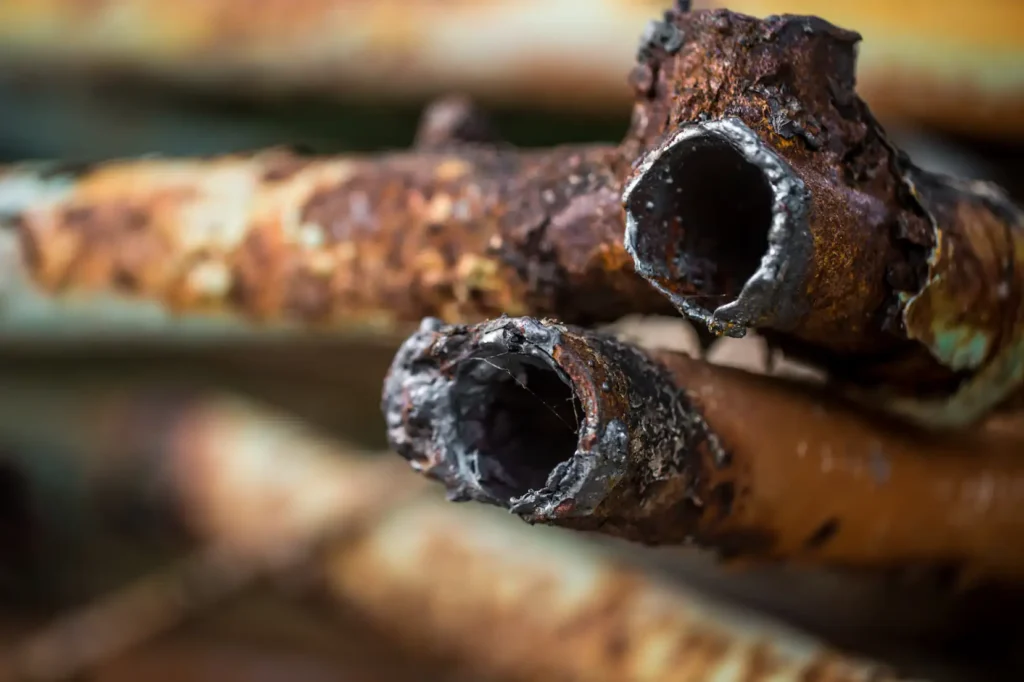
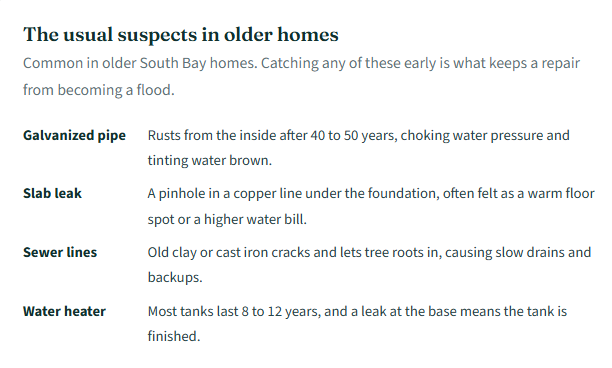
Galvanized pipe is steel coated in zinc, and for its first few decades it does the job. Then it starts to corrode from the inside out. Rust builds up along the pipe walls, narrowing the channel the water flows through until your pressure drops to a trickle, especially when more than one tap is running.
You might notice brown or rusty water, particularly first thing in the morning, or taps that have slowly gotten weaker over the years. Patching one section rarely helps for long, because the rest of the pipe is in the same shape. For a home still on galvanized lines, the lasting fix is a whole house repipe, swapping the old steel for copper or modern PEX.
Slab leaks and sewer trouble under your feet
Two of the most serious problems in an older home happen where you cannot see them. A slab leak is a break in a water line running beneath the concrete foundation. The first clues are subtle, a warm spot on the floor from a hot water line, the faint sound of running water when every tap is off, or a water bill that climbs for no clear reason. Left alone, a slab leak can undermine the foundation itself.
Below that, your sewer line carries everything away, and in older homes it is often clay or cast iron that has cracked with age and shifting ground. Those cracks invite tree roots, which is why so many Harbor area homes battle slow drains and backups.
Hydro jetting can scour the line clean, while trenchless methods handle sewer and drain line repair without tearing up the whole yard. If your drains gurgle or back up again and again, it is worth getting a plumber in to get a plumbing repair quote after a quick camera inspection of the line.
When it is an emergency, and when it can wait
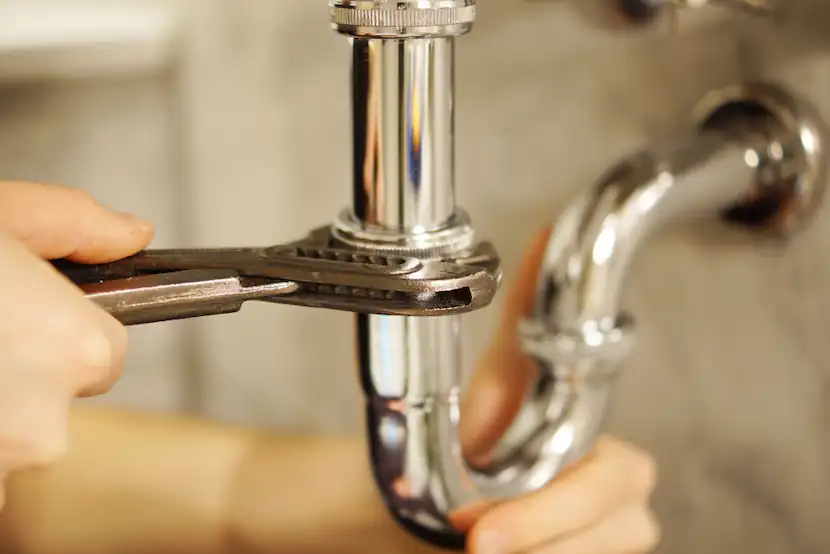
Not every plumbing problem is a drop everything emergency, and knowing the difference saves you money and stress. Anything actively flooding or threatening damage is the real thing. A burst pipe, a failed water heater pouring water across the garage, a sewage backup coming up through a drain, or no water at all in the house all mean you call for help right away, day or night.
The first move in any of those is to shut off the water. Every home should have a main valve, usually near the street or where the line enters the house, and knowing where yours is can be the difference between a mop and a remodel. Slower problems, a dripping faucet or a single sluggish drain, are worth fixing soon, but they can wait for normal hours.
Choosing a South Bay plumber you can trust
When something does go wrong, the plumber you call matters. Look for someone licensed, which in California means holding a C 36 plumbing classification, and insured, so you are covered if anything goes sideways on the job. A local shop that knows the Harbor area and its older housing stock will find the real problem faster than a company parachuting in from across the county.
Ask for upfront pricing and a written quote after a proper look, and favor a plumber who offers real emergency service rather than an answering machine at 2am. Plumbing Service Solutions is one example, a shop built around that idea, and you can reach a licensed South Bay plumber there when an emergency hits. Whoever you pick, a straight answer and a fair quote beat the cheapest number every time.
The bottom line
Older homes in the South Bay are worth every bit of their charm, but the plumbing hidden inside them needs attention before it demands it. Learn the warning signs, know where your shut off valve is, and deal with the small stuff while it is still small.
When a repair is beyond a weekend fix, call a plumber who knows these neighborhoods and will tell you straight what you are dealing with. A trusted local name like Plumbing Service Solutions can get there fast and keep a bad day from turning into a flooded one.
Frequently asked questions
How do I know if I have a slab leak?
Watch for a warm spot on the floor, the sound of running water when every tap is off, a water bill that jumps for no reason, or new cracks in the foundation. A plumber can confirm it with leak detection equipment.
What is galvanized pipe, and why is it a problem?
It is older steel supply pipe coated in zinc. Over the decades it rusts from the inside, dropping your water pressure and tinting the water brown. Spot repairs rarely last, so the real fix is a whole house repipe.
Can a sewer line be fixed without digging up my yard?
Often yes. Trenchless methods like pipe bursting or lining can replace a line with very little digging, and hydro jetting can clear roots and buildup from a pipe that is still sound.
How long does a water heater last?
Most tank water heaters last around 8 to 12 years. Rusty hot water, no hot water, or any leak at the base usually means it is time to replace the unit rather than repair it.
What counts as a plumbing emergency?
Anything actively flooding or risking damage, such as a burst pipe, a major leak, a sewage backup, or no water in the house. Shut off the main water valve and call for help right away.
How can I prevent a burst pipe or flood?
Catch the warning signs early, know where your main water valve is so you can stop a leak fast, and deal with slow drains and small drips before they turn into something bigger.
Do I need a licensed plumber for small jobs?
For anything involving gas lines, water heaters, repipes, or sewer work, yes. In California, a licensed plumbing contractor holds a C 36 classification, and using a licensed, insured plumber protects both you and your home.
How much does a repipe or sewer repair cost?
It varies widely with the size of the home, the pipe material, and access. A reputable plumber gives you a clear written quote after inspecting the job. Be wary of a price quoted sight unseen.